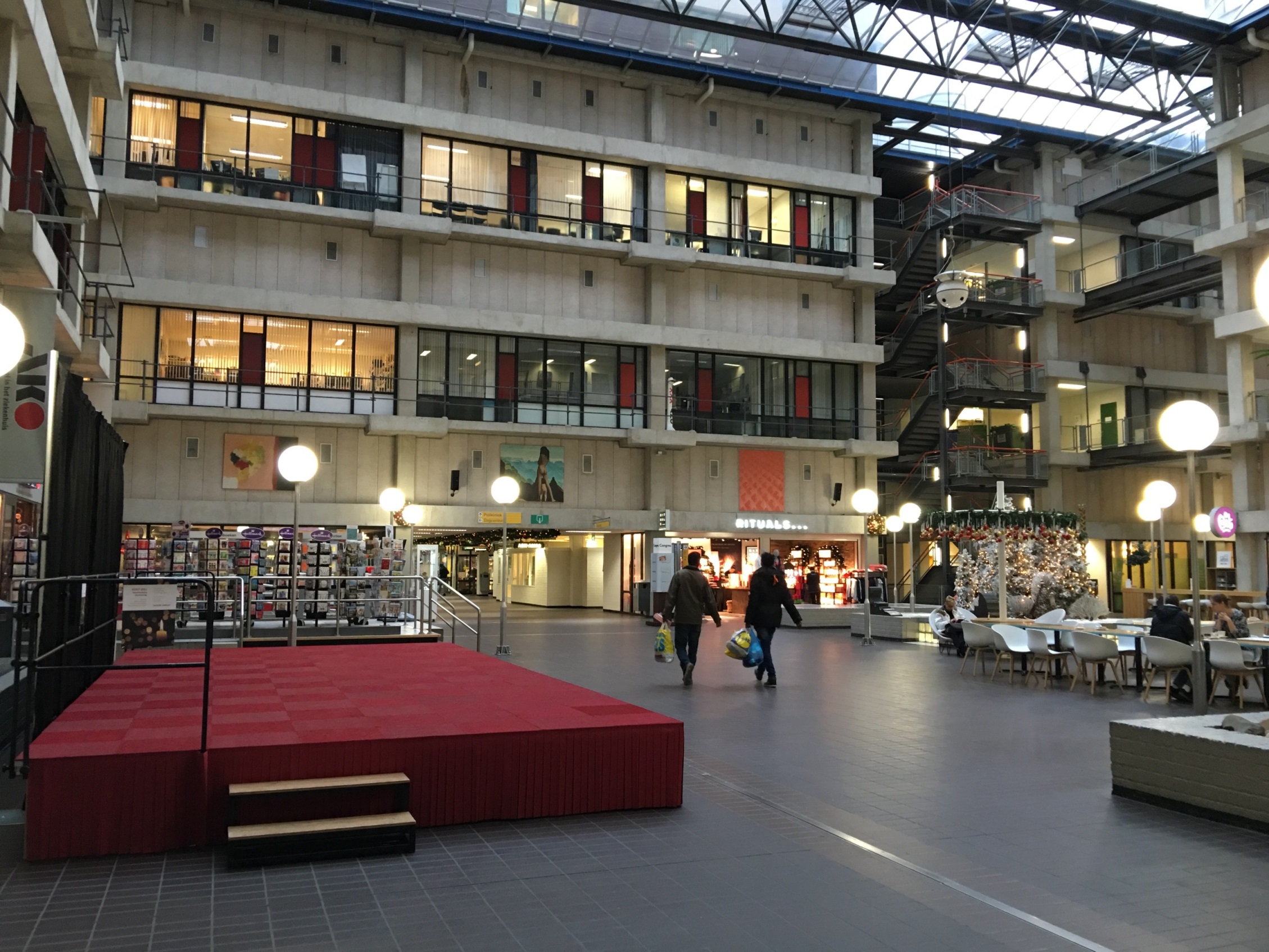
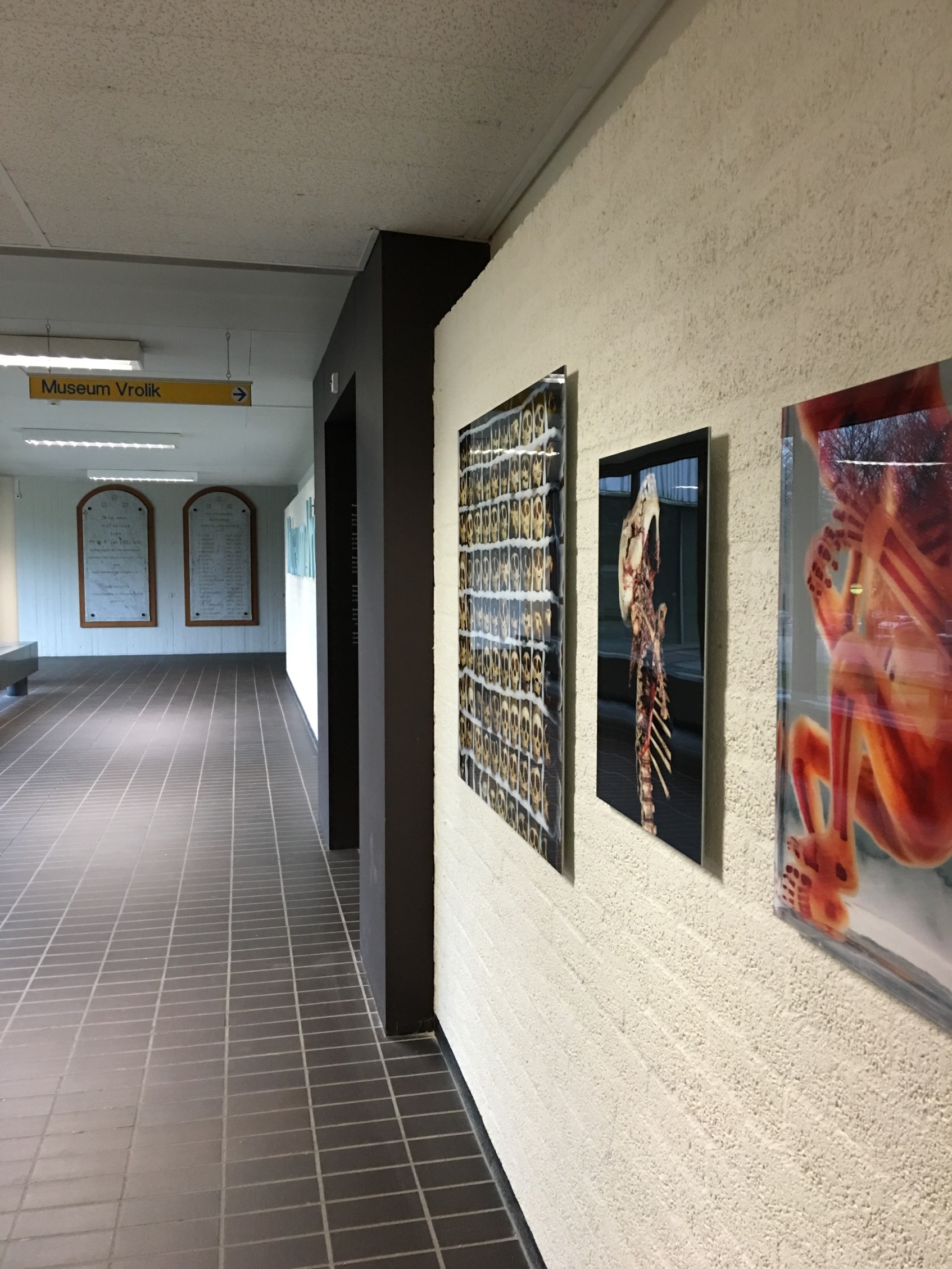
Vrolik Museum or Museum Vrolikianum is an impressive anatomical collection put together by Gerard Vrolik and his son Willem in the first half of 19th Century and now hosted in the Academic Medical Centre in Amsterdam (Meibergdreef 15).
“After Willem’s death, the Museum Vrolikianum was acquired by the Athenaeum Illustre, forerunner of the University of Amsterdam, which housed it at the anatomical laboratory. As an academic collection, the treasures gathered by the Vroliks were added to by successive generations of anatomists, each with his own scientific and didactical perspectives – a process which continued right up until the 1950s. What was now called the Vrolik Museum would eventually come to hold the very respectable total of about 10.000 objects.
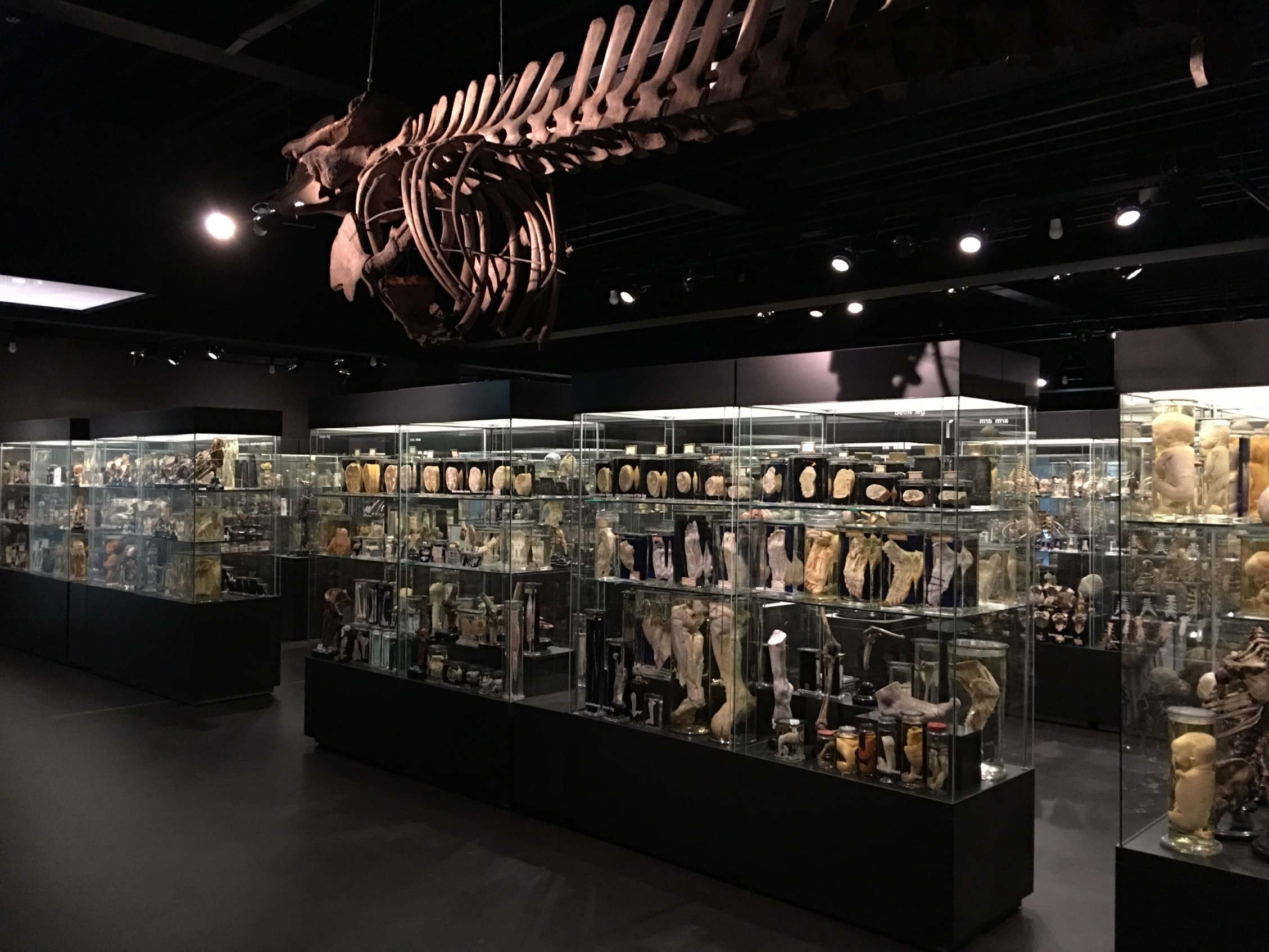
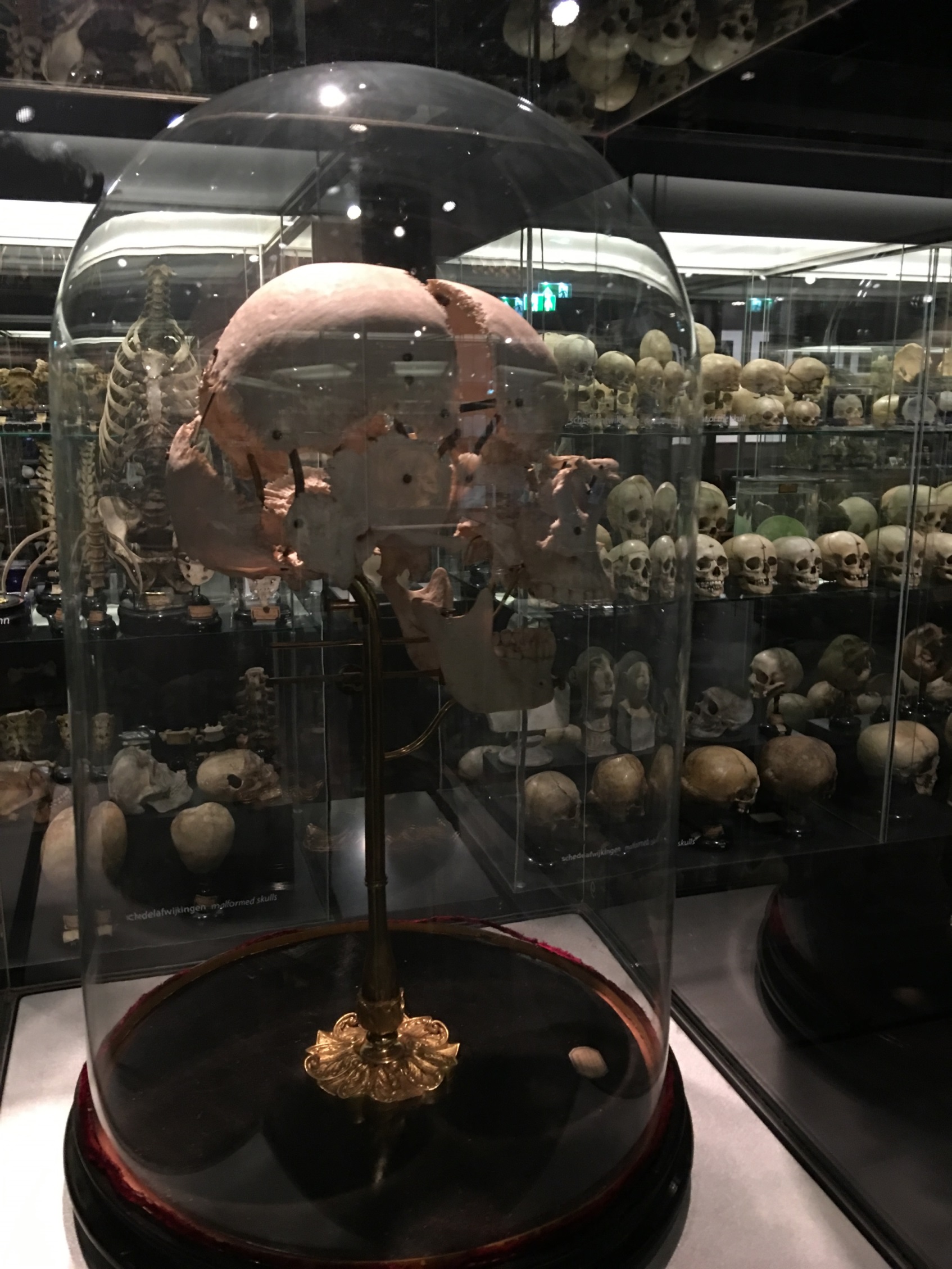
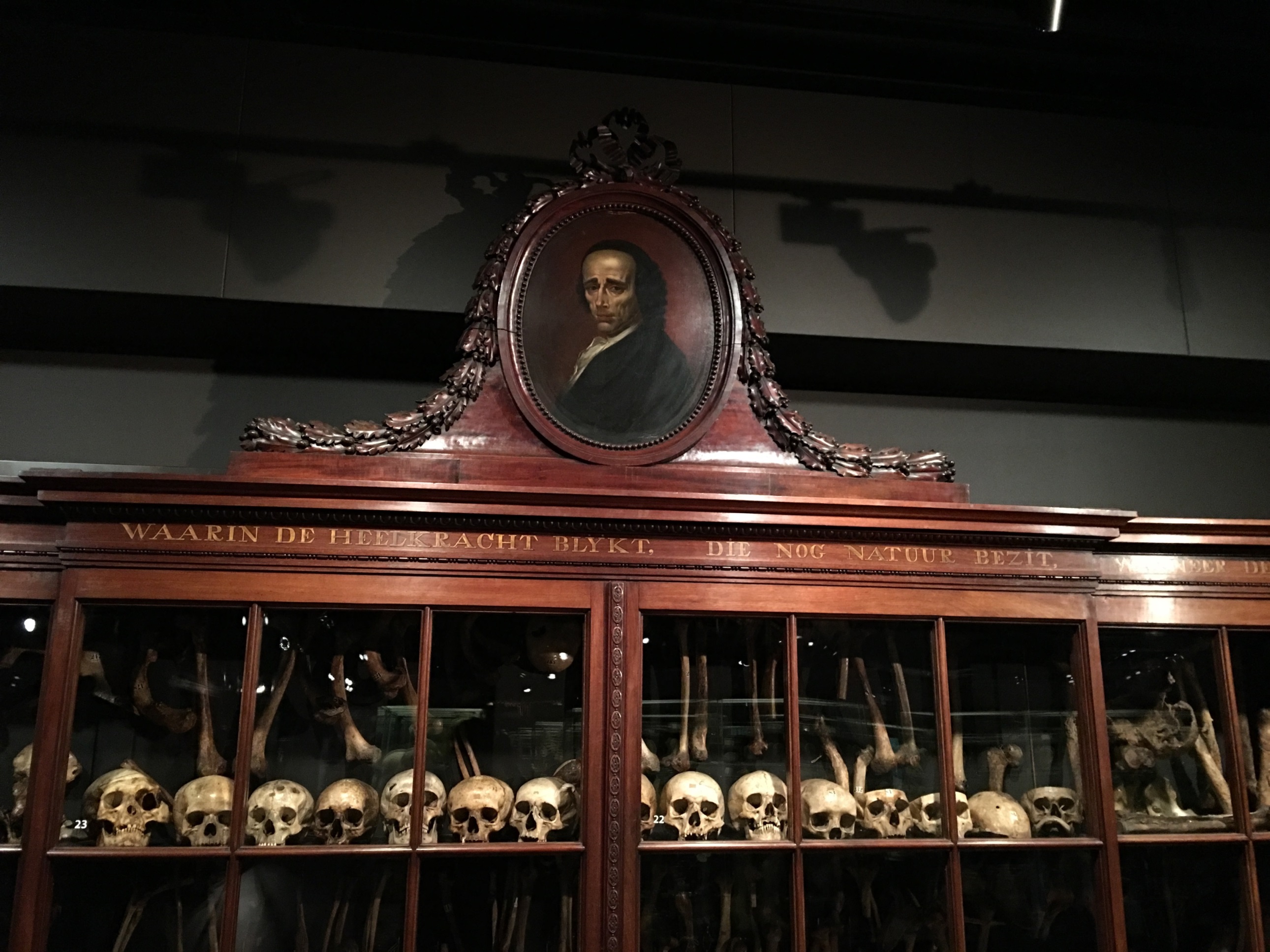
Lodewijk Bolk (1866-1930), the most influential anatomist in the Netherlands during the first half of the twentieth century and, after the Vroliks themselves, the most important collector the museum has known, was not exaggerating when he claimed that it was certainly one of the finest anatomical collections on the European continent, and in England surpassed only by its prestigious counterpart at the Royal College of Surgeons. In fact, as far the human body, its development – normal as well as abnormal – and evolution were concerned, it was probaly among the best in the world.
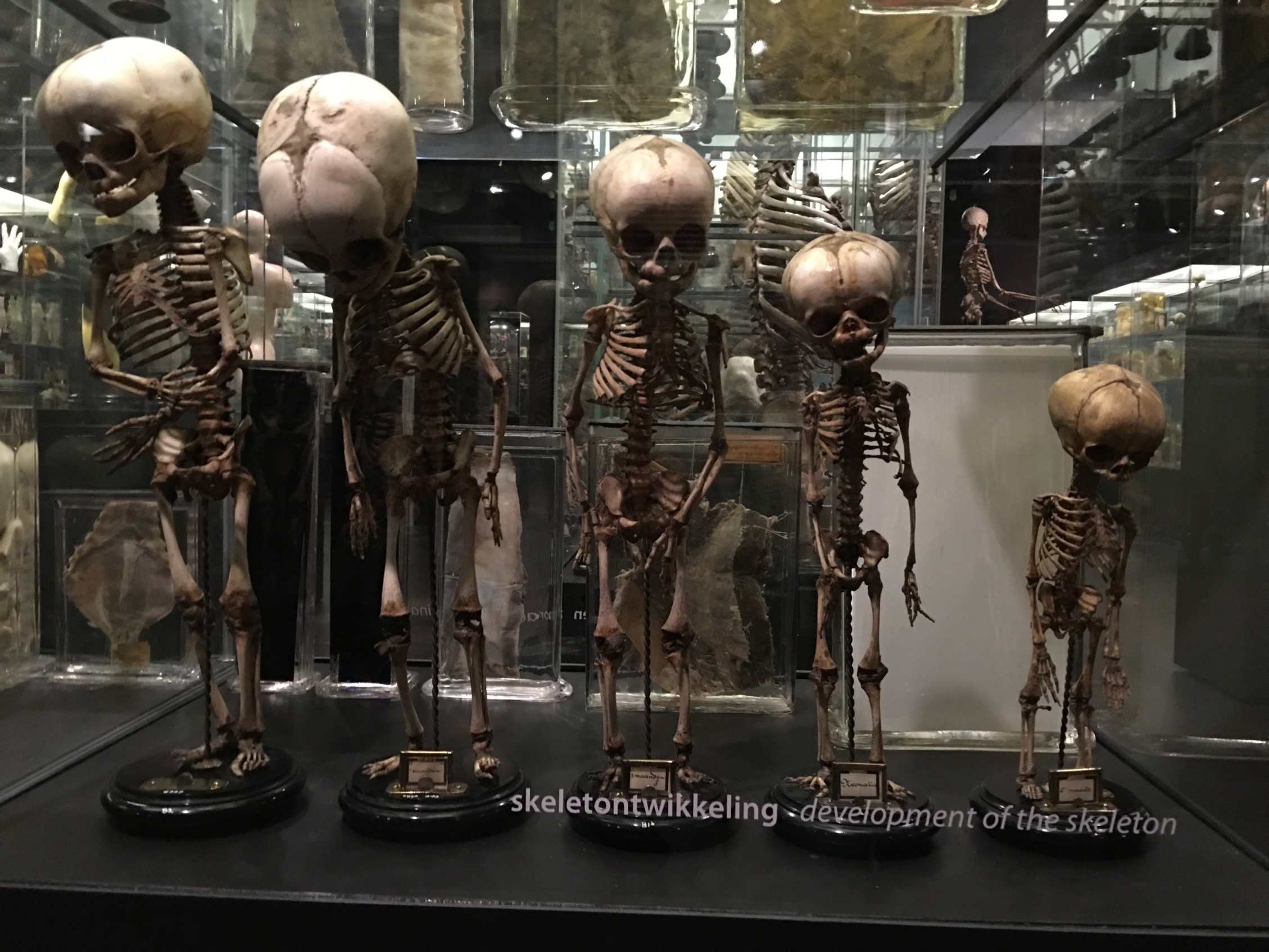
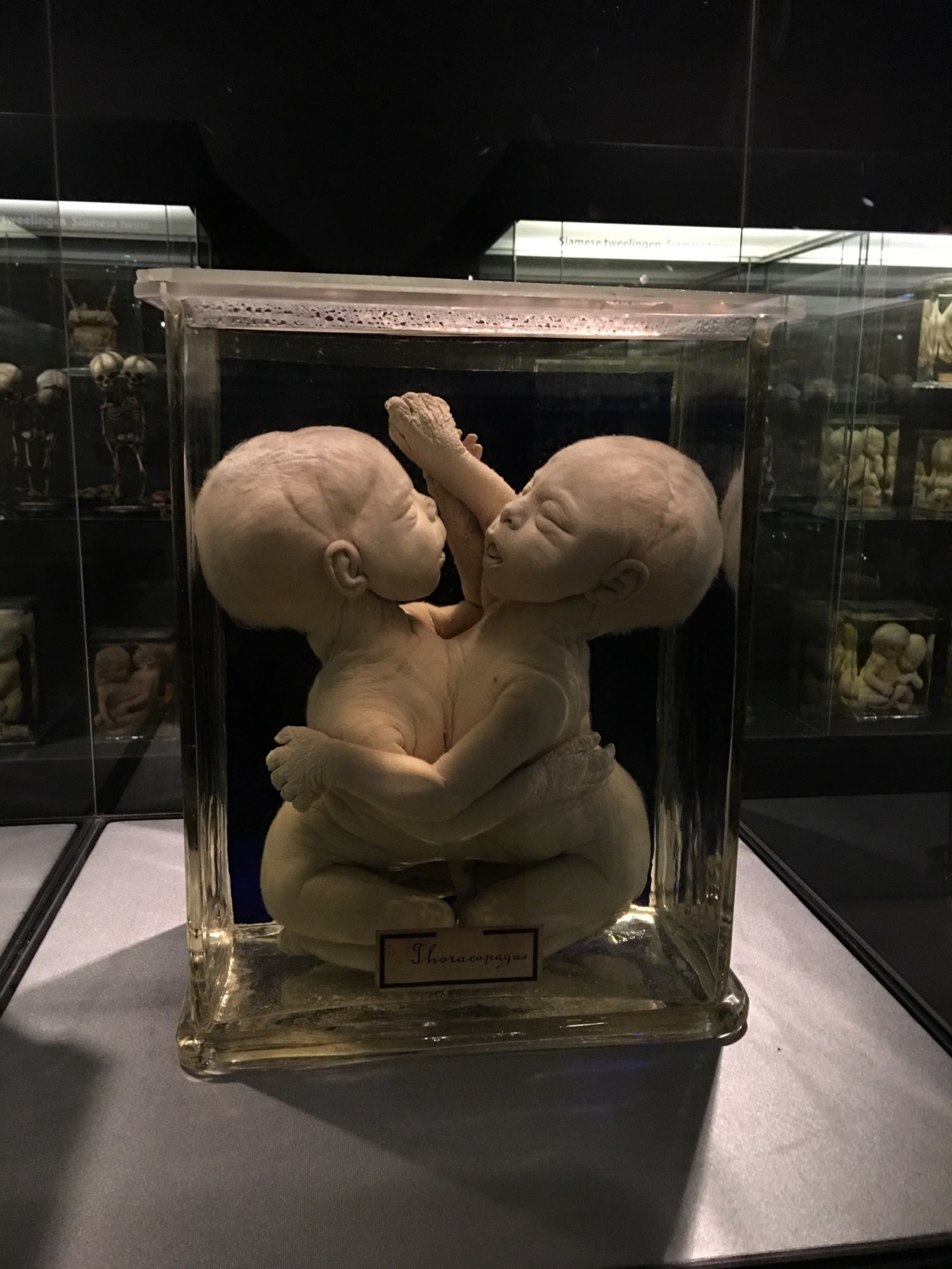
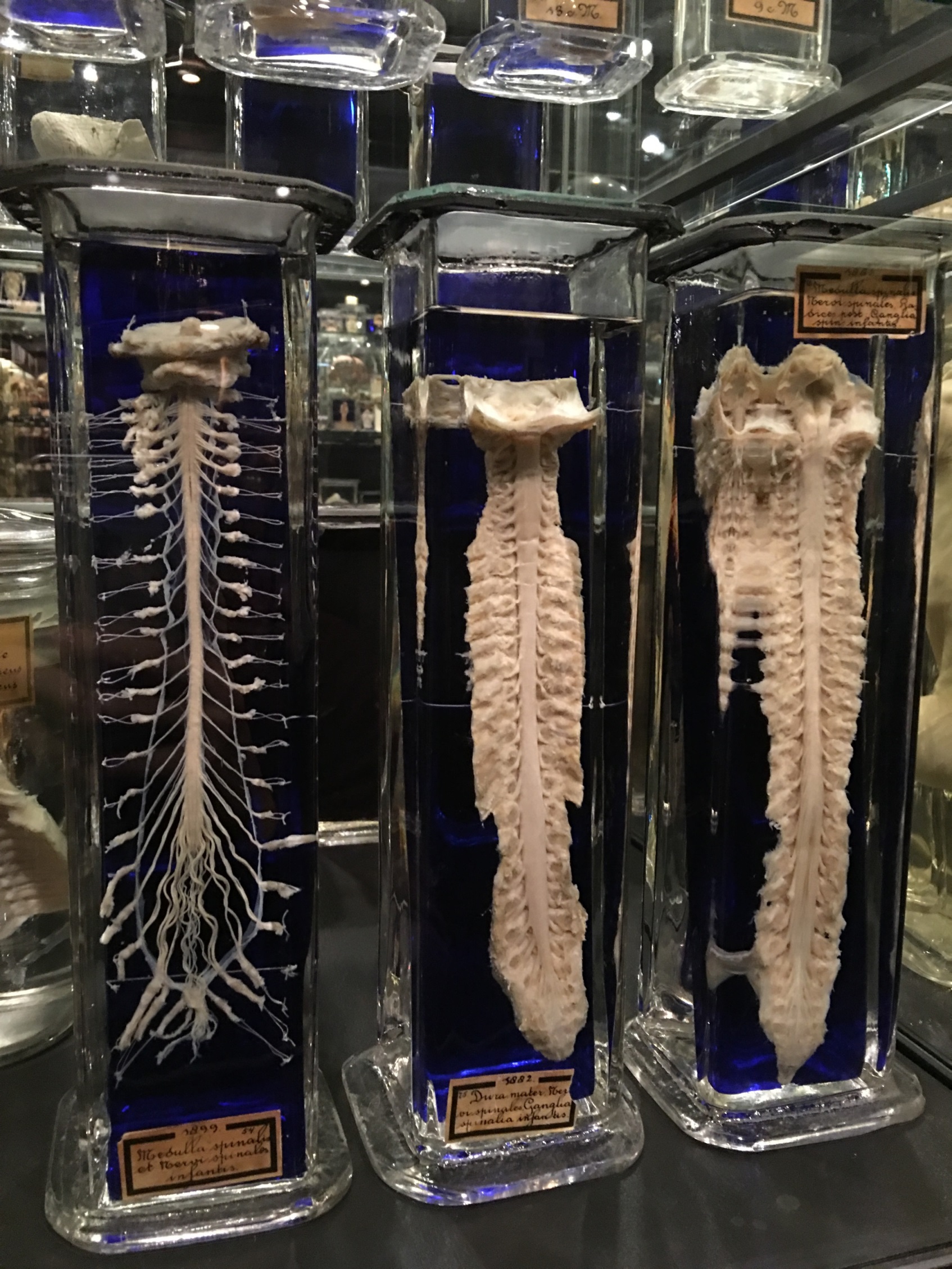
The move to the Academic Medical Center (AMC) in the early 1980s ushered in an important change, with the Vrolik now transformed into a modern and accessible museum for anatomical education”1
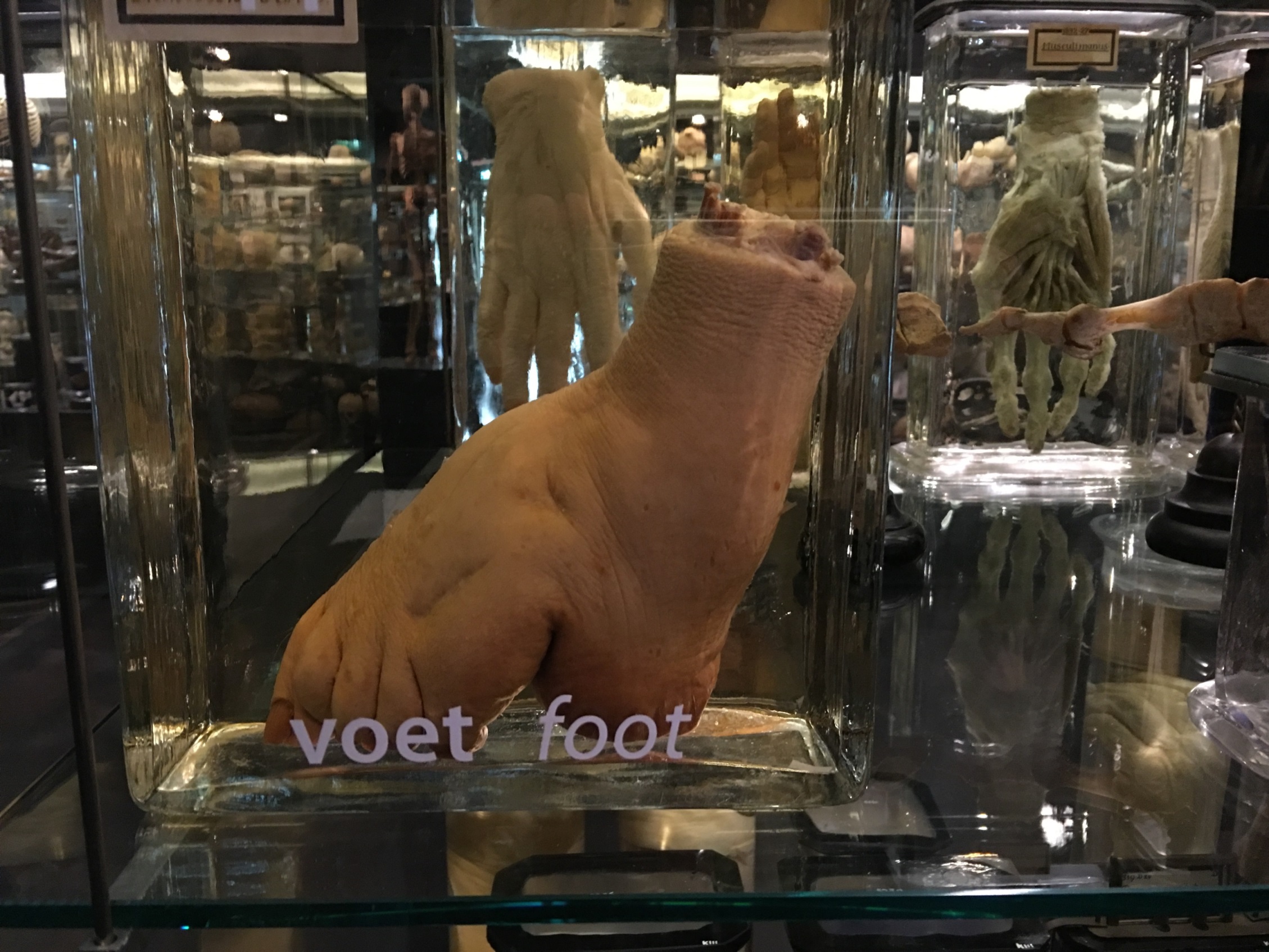
- Photos by Gabriele Maggi (January 2016)
- Locate the item on this Google Map
Bibliography
- Simon Knepper et al. (eds), Forces of Form, Vossiuppers UvA, Amsterdam 2009, pp. 143