The Facultade de Medicina e Odontoloxía (School of Medicine and Dentistry) is an academic institution belonging to the University of Santiago de Compostela. Located in the historic center of the city (Rúa de San Francisco), the building was designed by the architects Fernando Arbós y Tremanti and Isidro de Benito and constructed between 1910 and 1928, the year it was officially inaugurated.
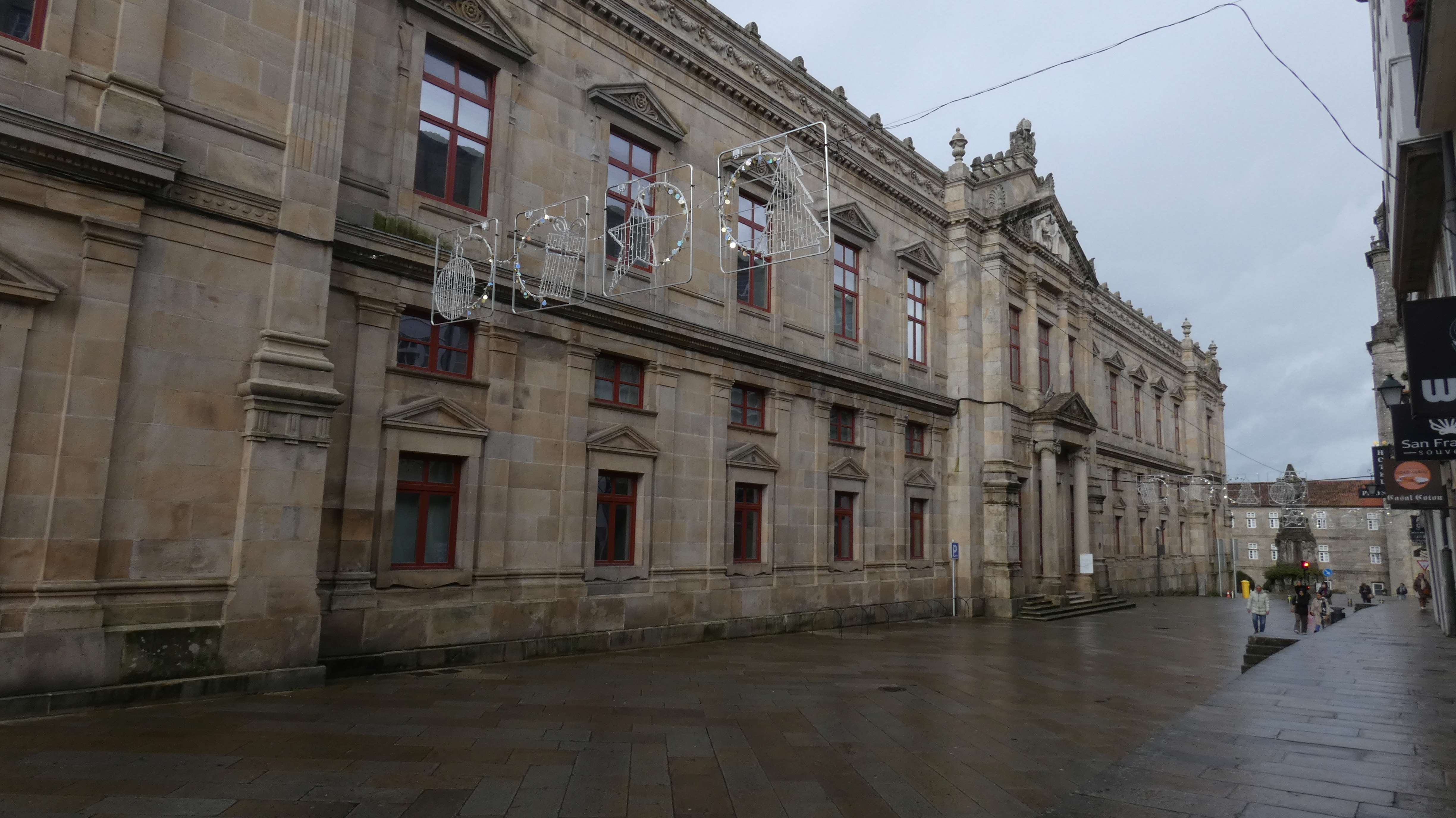
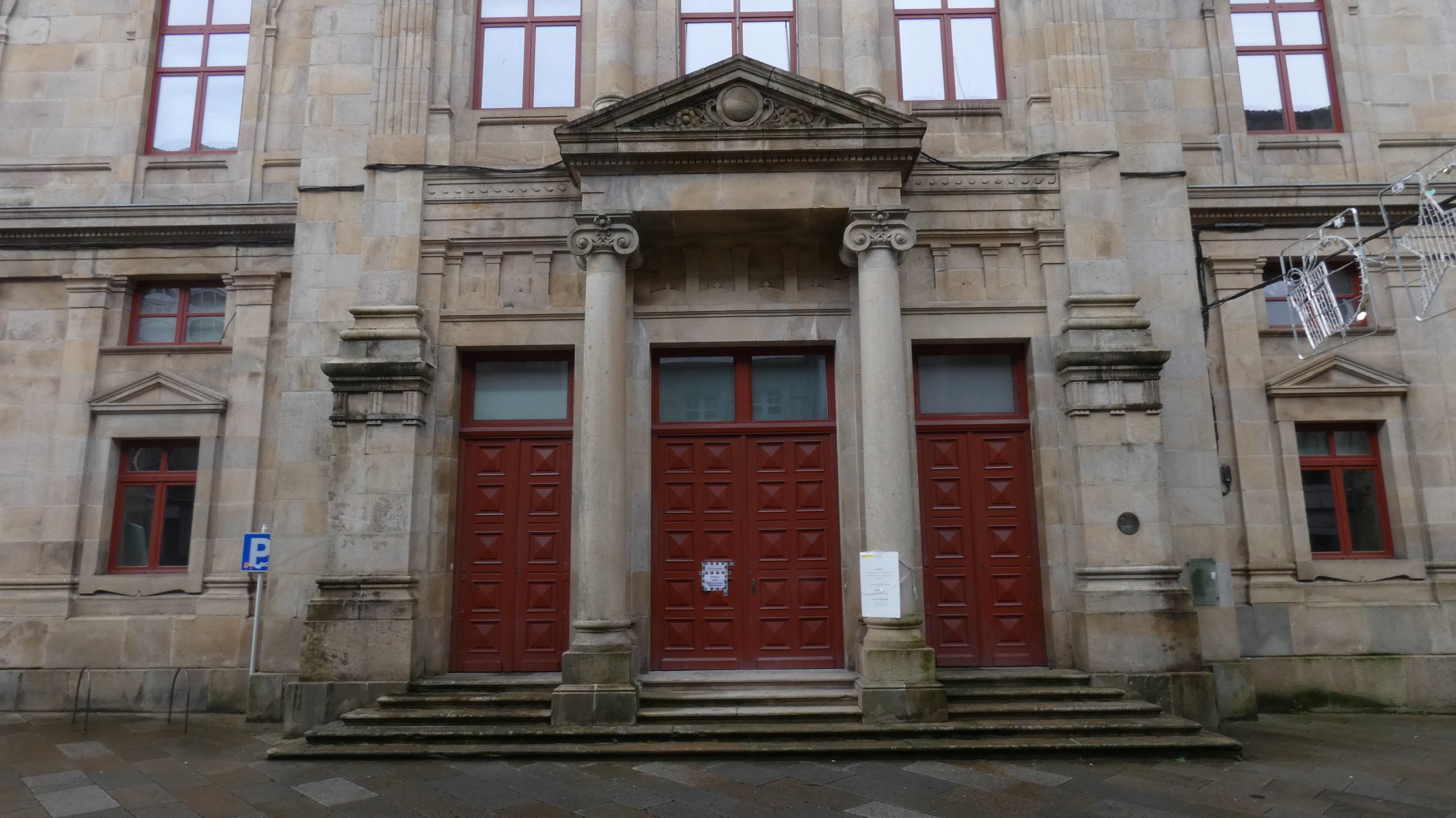
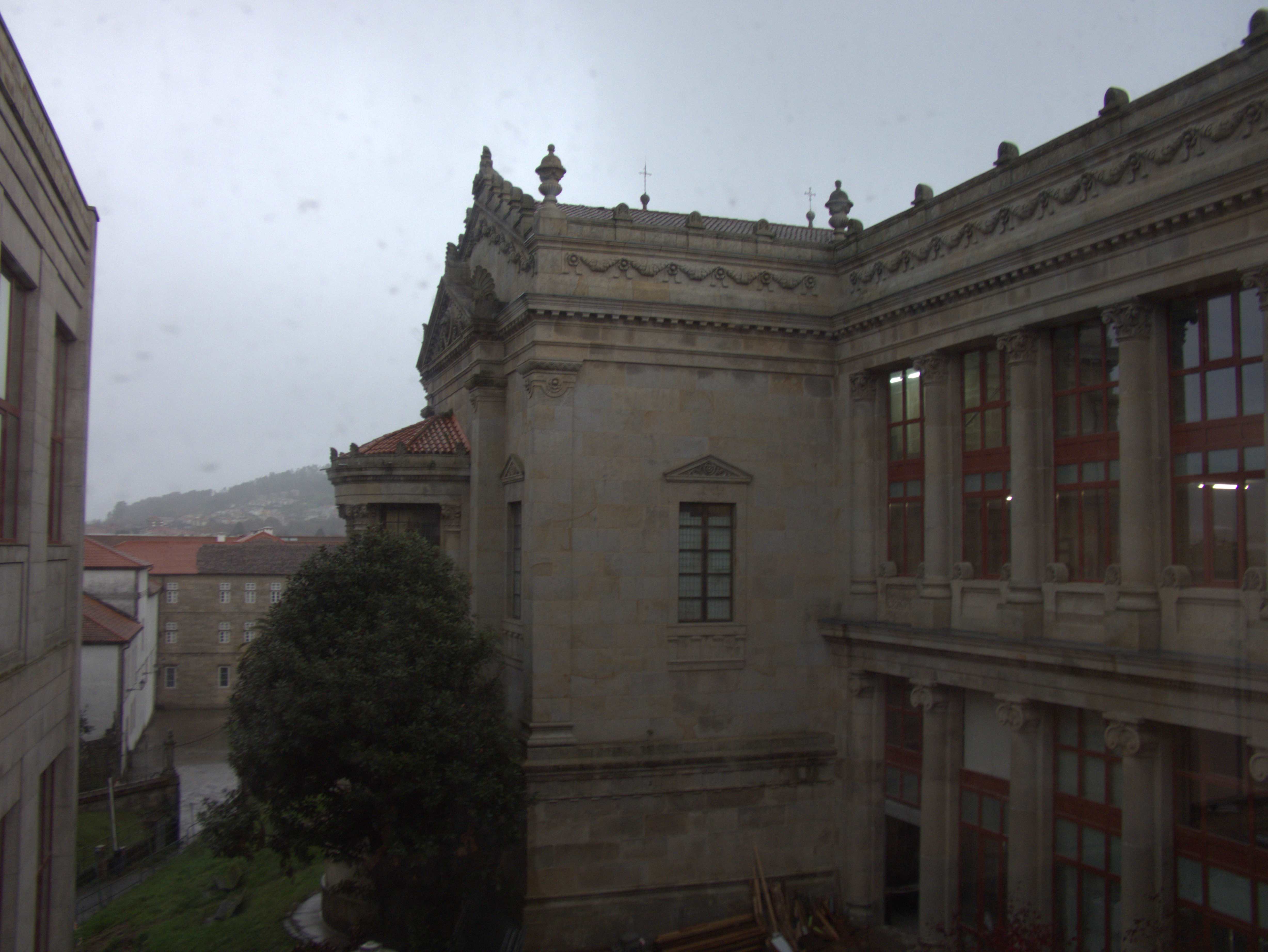

Medicine studies at the University of Santiago date back to 1648, when the Colexio de Fonseca was the focal point of university life in Compostela. By the late nineteenth century, the lack of adequate facilities for medical training, together with the educational reforms promoted in the early twentieth century—aimed at strengthening official instruction and modernizing university statutes—led rector Cleto Troncoso Pequeño and mayor Francisco Piñeiro Pérez to initiate the process of establishing a School of Medicine, with decisive support from the politician Eugenio Montero Ríos1.
The building is constructed with granite ashlar masonry and follows the principles of late nineteenth-century eclectic architecture. Designed in close connection with clinical practice, it was originally linked to the former Royal Hospital, facilitating both medical training and hospital care. The main entrance is dominated by a marble relief set within a tympanum, depicting a surgical operation performed on a female figure, created by the sculptor Ramón Núñez2.
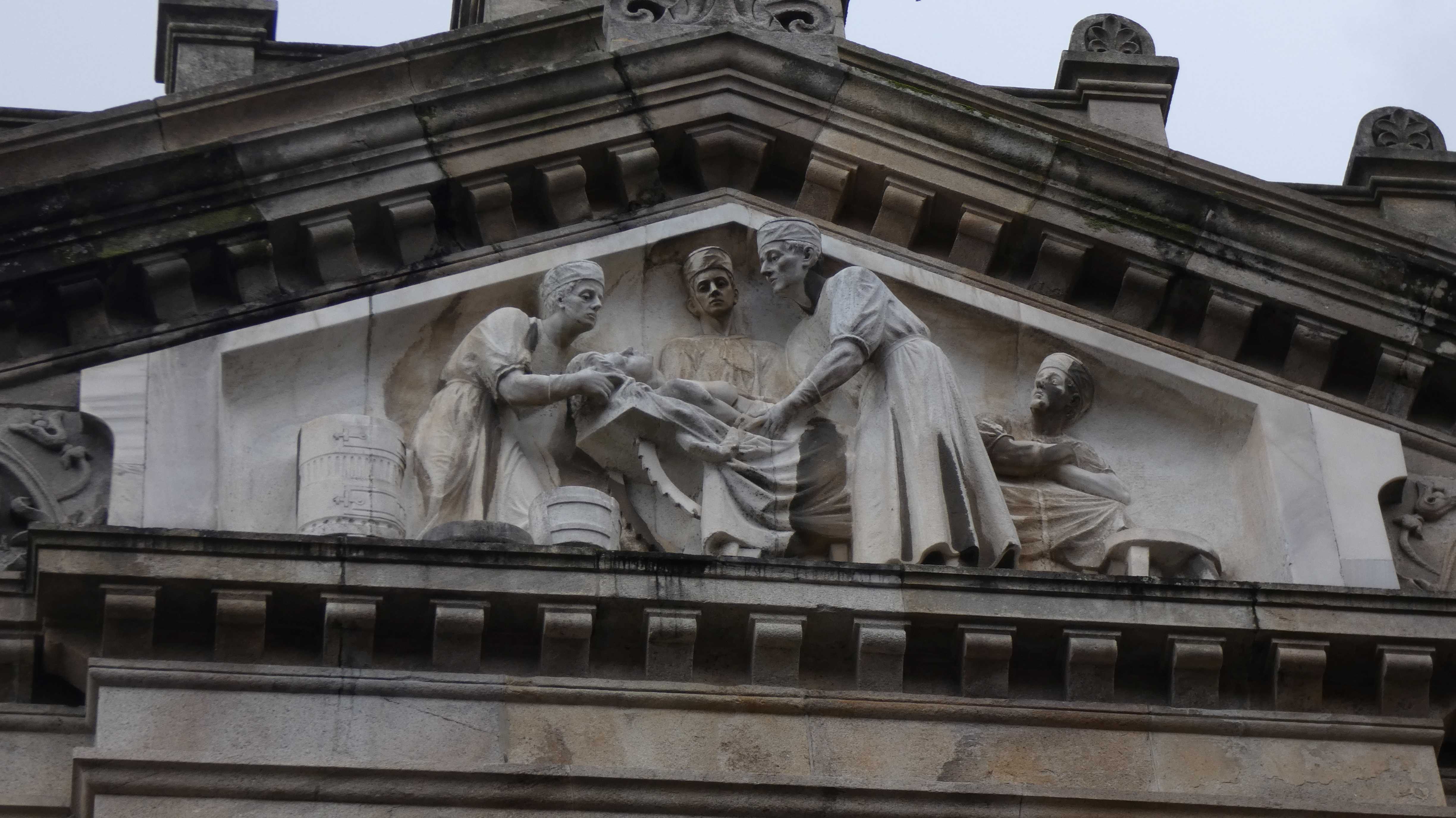
Inside, the building houses sculptures and monuments commemorating historical figures associated with Galician medicine. It also contains the Collection of Anesthesiology and Resuscitation, which brings together historic anesthetic, surgical, and resuscitation instruments. The significance of this collection lies in the fact that the Compostela School of Medicine was a pioneer in the use of anesthetics in Spain3.
- Photos and main text by Sabela Nóvoa Gómez moc.liamg|im9211ebas#| (December 2025)
- Locate the item on this Google Map
Related items:
- Ángel Jorge Echeverri´s bas-relief
- Antón Beiras García´s bust
- Antonio Rodríguez López´s bas-relief
- José María David Suárez Núñez’s bas-relief
- Plaque Honoring Doctors serving during the Spanish Flu
- Plaque Honoring Rural Doctors
Bibliography:
- Barral Martínez, M., & Costa Buján, P. (2015). Eugenio Montero Ríos xuriconsulto e o político na Compostela do seu tempo: Catálogo. A metamorfose da cidade herdada [Catálogo de exposición].
- García Guerra, D. (2001). La Facultad de Medicina de Santiago en el siglo XIX. Universidade de Santiago de Compostela, Servicio de Publicacións e Intercambio Científico.
Sitography:
- Anaesthesiology and Reanimation Collection (February 2026)
- School of Medicine and Dentistry (February 2026)
- Virtual Museum of the University of Santiago de Compostela (February 2026)