The former Leprosería de Santa Marta was located in the Santa Marta neighborhood of Santiago de Compostela, around two kilometres from the city centre (Rúa Monte do Conxo, 4). It stood alongside the Camino Portugués, a strategic position that allowed the institution to rely on the charity of passing pilgrims and travellers. At the same time, its relative proximity to the city meant that clergy and doctors could visit to provide spiritual and medical care, while the hospital itself remained at a safe distance from the urban population.

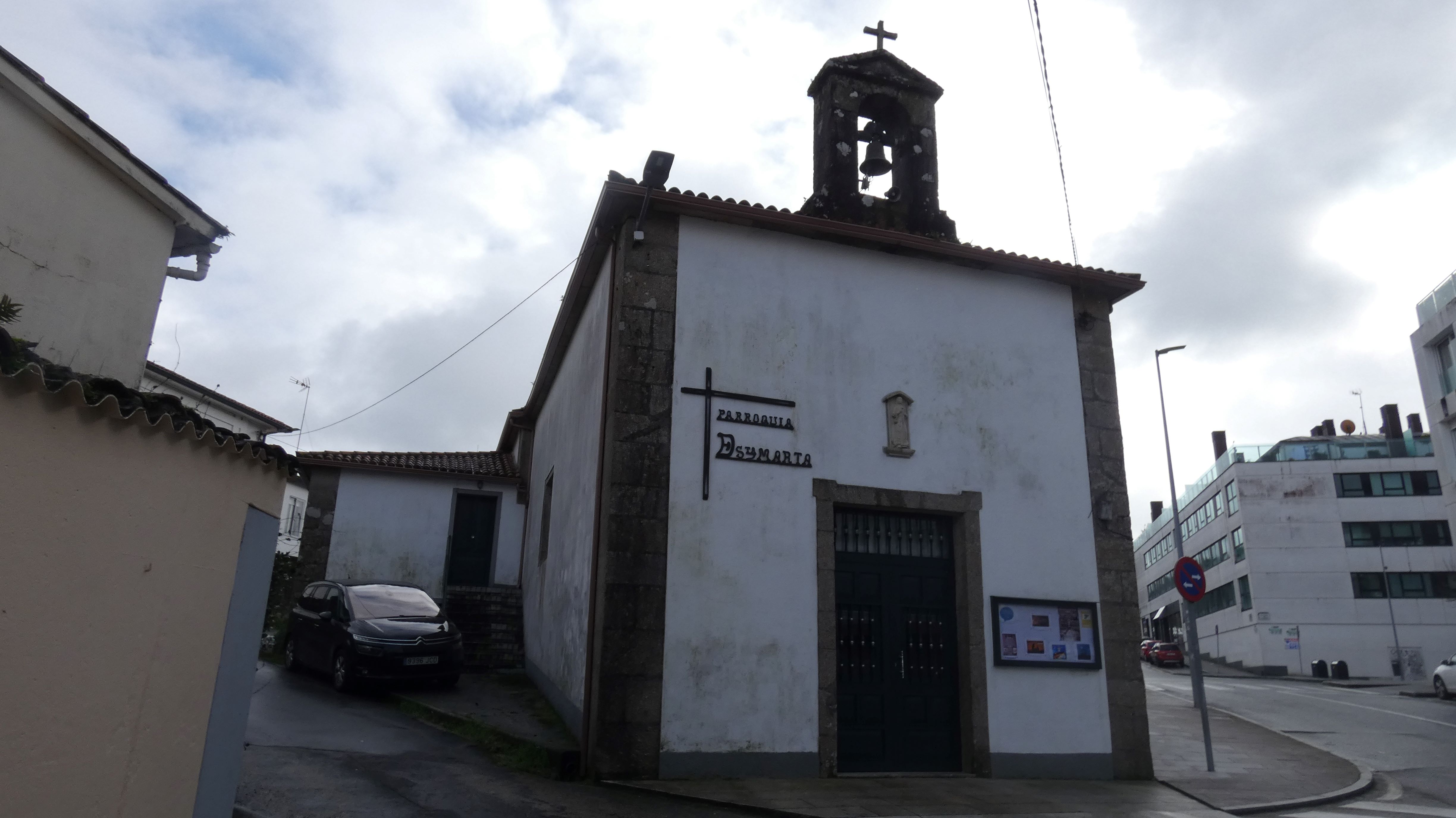
The Leprosería de Santa Marta was intended for women, while the Leprosería de San Lázaro, which accommodated men, was situated elsewhere in the city. During the Middle Ages, institutions of this kind were commonly placed under the patronage of saints associated with charity, hospitality, or healing. In this case, devotion to Saint Martha—traditionally regarded as a protector in times of illness—gave the hospital its name.
The identity of its founder and the exact date of its establishment remain unknown, although it is documented in the medieval period and is known to have existed since at least 1220. The hospital continued in operation for several centuries, remaining active until the nineteenth century. Although the details of its closure are unclear, it appears to have ceased functioning sometime between 1836 and 1880, as there are no surviving records referring to it after that period.
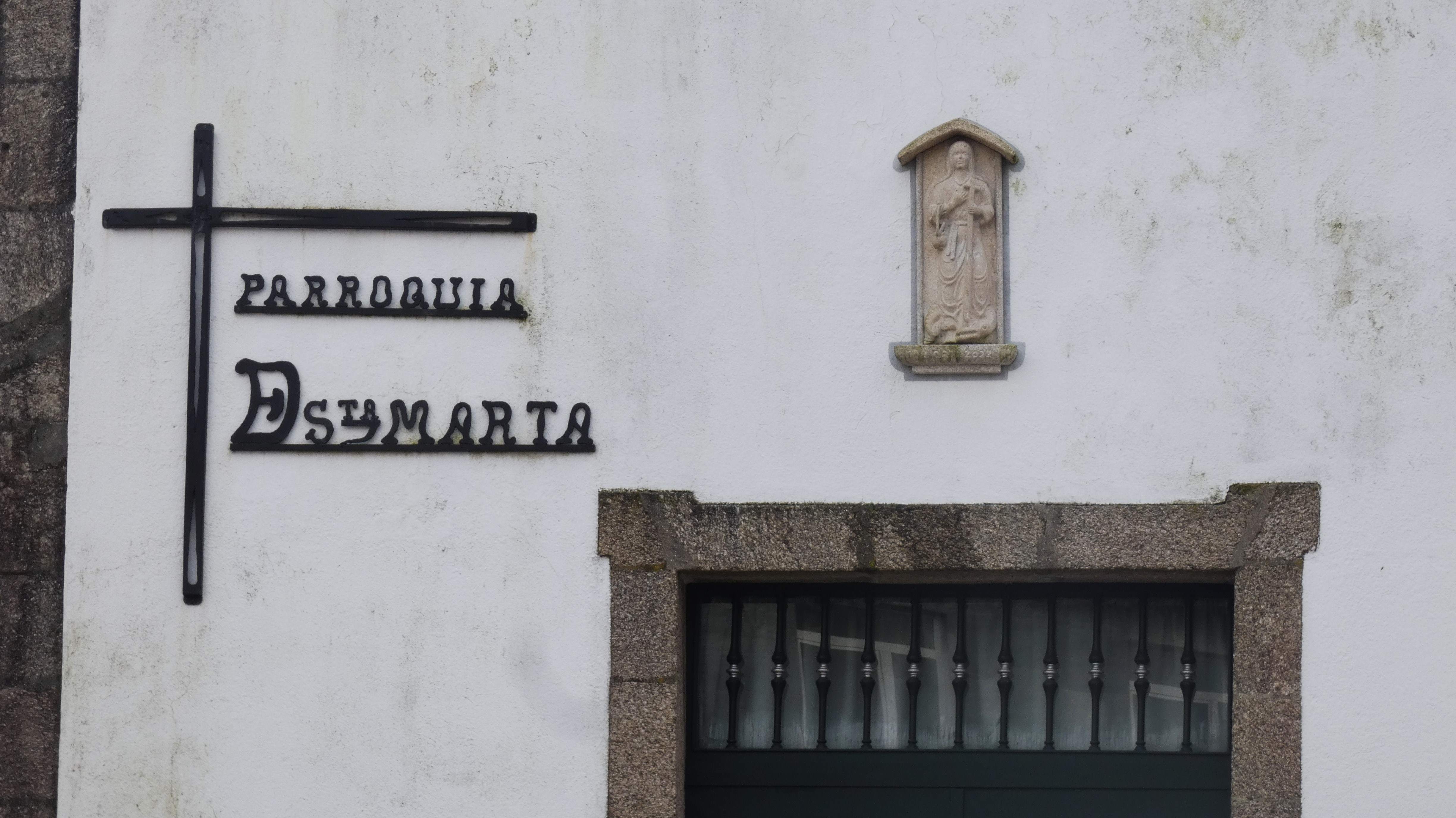

As was typical of medieval leper hospitals, the complex comprised a chapel and a group of small huts built from perishable materials such as wood and thatch, where the patients lived. After a resident’s death, these huts were burned as a precautionary measure. The site also had its own water supply and cemetery, reinforcing its isolated and largely self-sufficient nature.
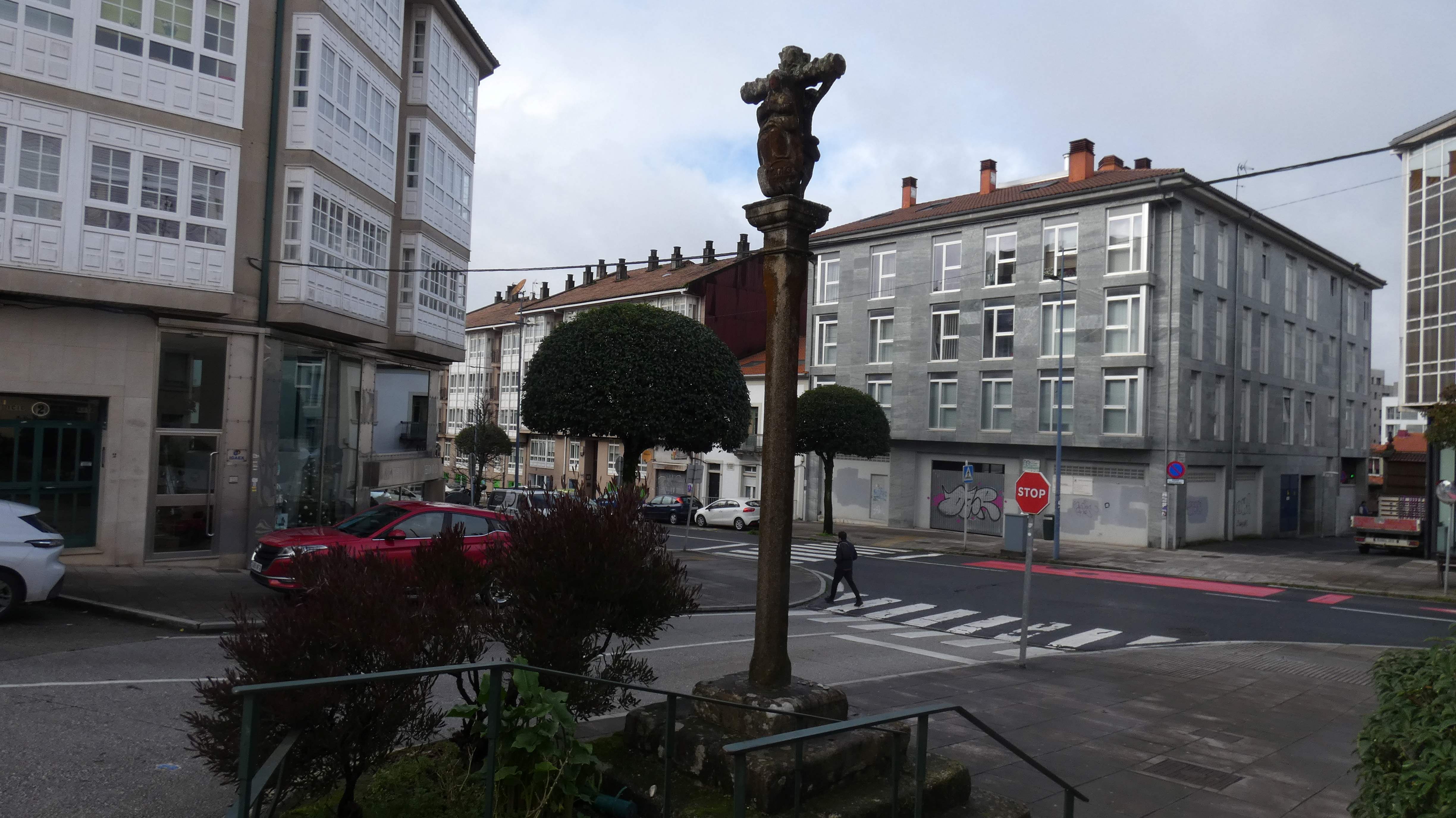

Today, only the chapel and an artesian well located a short distance away survive. The huts and the cemetery have vanished without visible trace, although the approximate location of the burial ground is known thanks to building works that uncovered several graves.
The testimony of the English writer George Borrow, in his semi-autobiographical work The Bible in Spain (1843), who visited the Leprosería de Santa Marta, is valuable in helping us understand what the institution was like at that time:
Thereupon he conducted me down the road which leads towards Padron and Vigo, and pointing to two or three huts, exclaimed:
«That is our leper−house.»
«It appears a miserable place,» I replied: «what accommodation may there be for the patients, and who attends to their wants?»
«They are left to themselves,» answered the bookseller, «and probably sometimes perish from neglect: the place at one time was endowed and had rents which were appropriated to its support, but even these have been sequestered during the late troubles. At present, the least unclean of the lepers rally takes his station by the road side, and begs for the rest. See there he is now.»
And sure enough the leper in his shining scales, and half naked, was seated beneath a ruined wall. We dropped money into the hat of the unhappy being, and passed on.
«A bad disorder that,» said my friend. «I confess that I, who have seen so many of them, am by no means fond of the company of lepers. Indeed, I wish that they would never enter my shop, as they occasionally do to beg. Nothing is more infectious, as I have heard, than leprosy: there is one very virulent species, however, which is particularly dreaded here, the elephantine: those who die of it should, according to law, be burnt, and their ashes scattered to the winds: for if the body of such a leper be interred in the field of the dead, the disorder is forthwith communicated to all the corpses even below the earth. Such, at least, is our idea in these parts. Lawsuits are at present pending from the circumstance of elephantides having been buried with the other dead. Sad is leprosy in all its forms, but most so when elephantine.»
- Photos and main text by Sabela Nóvoa Gómez moc.liamg|im9211ebas#| (January 2026)
- Locate the item on this Google Map
Bibliography:
- Carro Otero, X. (1998). Materiais para unha historia da medicina galega. Tomo II. Consellería de Sanidade e Servicios Sociais (1-17)
- Borrow, G. (2001). The Bible in Spain. Phoenix (211-212)